
More power, no moving parts: The quest to fly a rotating detonation engine
After decades of research, tests advance innovative engine for improved military effectors.

After decades of research, tests advance innovative engine for improved military effectors.

The Next Generation Adaptive Propulsion program is designing new engines that could power aircraft like the Air Force’s forthcoming F-47 stealth fighter.


A spokesperson for Space Operations Command (SpOC) explained that government-led testing now will commence, but that an updated operational acceptance date "is not yet available."

Executives from both Lockheed and Raytheon indicated interest in building a space-based interceptor, and hinted at their broad approaches to Golden Dome.
Shield’s “Hivemind” autonomy software will go on an undisclosed “operational weapon,” while Shield’s ViDAR sensor software will go on Raytheon’s MTS multi-sensor turret to help in tracking and targeting incoming enemy drones.

Enhancing combat-proven systems with new capabilities to address evolving threats can meet demand.


Consolidate network monitoring, performance management, and fault isolation into a single, comprehensive solution.

The Government Accountability Office’s annual weapon system assessment also found that the Air Force is moving to field a hypersonic attack cruise missile in 2027, despite delays driving a compressed flight testing schedule.

The contract is the largest in the program's history, according to Raytheon.

“There was an impact, of course, with the four-week stoppage on our ability to ship all the GTFs and F135s that was in our plan,” RTX CEO Chris Calio told investors.
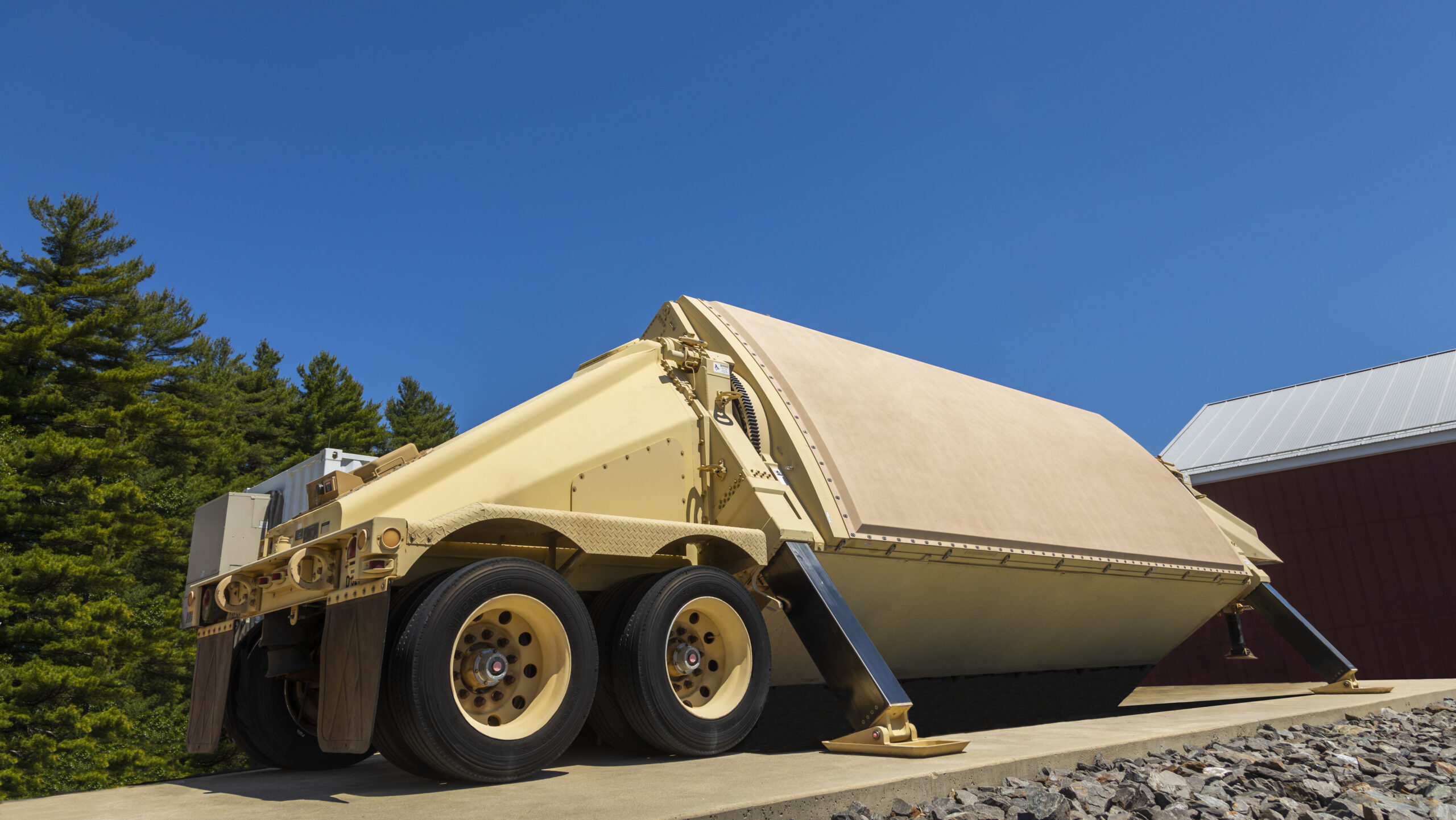
The upgraded AN/TPY-2 radar uses a Gallium Nitride semiconductor that allows it a longer range, enabling an interceptor to launch early enough to hit a hypersonic missile before its starts maneuvering, according to the company.


Cybersecurity skills must evolve in near-real time as Zero Day threats continue and AI provides new challenges.

The American company said gallium has "applications across many different sectors ... [for] the defense industry, the supply of gallium is critical as it is a key component of defense products including advanced radars."

Pratt & Whitney said in a statement that it has “contingency plans in place to maintain operations and meet our customer commitments” and has no “immediate” plans to resume negotiations with the union.

The six largest US defense firms all reported quarterly results this week, and the potential impact of tariffs was front and center.

The US Mission to the UAE said that the term sheet signing was an "exciting step" and that the coproduction "strengthens the security of our countries and enhances our economic cooperation."